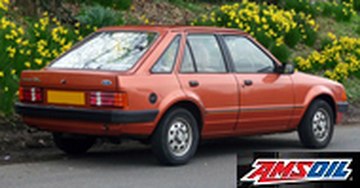
Maintaining Lubrication Standards for the 1982 Ford ESCORT 1.6L
Proper engine maintenance is a cornerstone of vehicle longevity, particularly when managing an older vehicle like the 1982 Ford ESCORT with its 1.6L engine. While many modern automotive concerns focus on complex electronics, the fundamental mechanical health of this era of vehicle relies heavily on consistent lubrication and proactive inspection of aging components.Monitoring Fluid Integrity and Potential Leaks
One of the most effective ways to monitor the health of a 1.6L engine is through regular visual inspections for fluid integrity. Over time, various seals and gaskets may experience changes in their ability to maintain a tight seal. When performing routine checks, it is useful to look for signs of seepage or active leaks around the engine block and associated components. If you notice dark staining or wetness on the underside of the engine or near sealing surfaces, this warrants closer investigation. It is important to remember that a visible fluid leak can have multiple causes; what appears to be a simple drip might be related to an aging gasket or a loose mounting point. Rather than attempting to diagnose a specific component from a distance, use these observations as a prompt to perform a more thorough inspection during your next service interval. Additionally, checking the appearance of the oil itself can provide insight into engine condition. While oil naturally darkens with use due to heat and operational cycles, extreme discoloration or an unusual texture may indicate that the lubricant is being subjected to excessive stress or contamination.Observing Operational Changes and Warning Signs
Maintaining a 1982 Ford ESCORT requires an attentive driver who can recognize when the vehicle's behavior deviates from its normal operating state. While many mechanical issues develop gradually, certain symptoms should never be ignored. If you notice unusual mechanical noises during startup or while idling, this may indicate that lubrication is not reaching critical areas as efficiently as it should. Similarly, any changes in how the engine responds to throttle input or unexpected fluctuations in temperature can be associated with various underlying mechanical conditions. If a warning light or indicator appears on the dashboard, it requires immediate attention. Such indicators are designed to alert you to conditions that could lead to rapid component wear if left unaddressed. Always treat these signals as a priority for investigation rather than attempting to continue operation until the next scheduled service.Prioritizing Maintenance Based on Current Condition
As vehicles age, the strategy for maintenance often shifts from strictly following a calendar-based schedule to a more condition-based approach. For an owner of a 1982 Ford ESCORT, this means prioritizing tasks based on what the vehicle actually requires at any given moment. If you are stepping into ownership of this vehicle without a complete service history, establishing a maintenance baseline is a practical first step. This involves reviewing any available records to see when fluids were last changed and which components were recently serviced. If no records exist, performing a comprehensive inspection of all major systems—including checking the condition of accessible belts (if equipped) and hoses (if present)—can help you determine where to focus your efforts. Rather than replacing parts simply because they are old, focus on addressing active signs of wear or overdue maintenance first. This distinction between preventive maintenance and unnecessary replacement helps ensure that resources are directed toward the most impactful service tasks. Keeping a detailed log of all completed repairs, fluid changes, and observed symptoms will assist in identifying patterns over time, making future maintenance decisions much more informed.Managing Aging Engine Components
The materials used in 1982, from rubber hoses to electrical connections, are subject to the effects of time and environmental exposure. When inspecting the engine bay, it is useful to look for signs of deterioration in these age-sensitive areas. For example, if the vehicle is equipped with various drive belts, inspect them for evidence of cracking, glazing, or fraying. Similarly, any visible hoses should be checked for stiffness, swelling, or surface degradation. While a hose might appear functional, its ability to withstand pressure changes can diminish as the material ages. Electrical connections and wiring also benefit from periodic inspection. Ensuring that connectors are secure and free from corrosion can prevent intermittent issues that might otherwise be difficult to diagnose. By combining these visual checks with regular lubrication services, you can maintain a clearer picture of the vehicle's overall mechanical state.Effective Lubrication Strategies for Long-Term Ownership
The engine oil in your 1.6L Ford ESCORT serves as more than just a lubricant; it is a vital component in managing heat and helping to control the buildup of deposits within the engine. Maintaining high standards for oil quality is essential for preventing the accumulation of sludge, which can occur when oil breaks down due to thermal stress or oxidation. Some owners choose to utilize high-mileage oil formulations, which may contain additives intended for use in aging engines. These formulations sometimes include seal-conditioning additives that are designed to help maintain the integrity of older seals. However, the choice between conventional, synthetic blend, or full synthetic oils should be guided by the specific application requirements rather than general assumptions about what is "better." The most important factor in lubrication maintenance is consistency. Ensuring that the oil is changed according to a reliable schedule and that the correct type of lubricant is used will help maintain the internal cleanliness of the engine and support its continued operation.Practical Advice for Buying Engine Oil for your 1982 Ford ESCORT 1.6L
When you are ready to replenish your engine's lubricant, it is vital to match the product to the specific requirements of your vehicle. Do not rely on general automotive knowledge or assumptions based on the age of the car to select a grade. Instead, always refer to the application-specific oil viscosity and information already displayed on this webpage. Before making a purchase, follow these practical steps:- Verify Viscosity: Match the engine oil to the vehicle-specific viscosity information provided in the technical data above.
- Check API Certification: Ensure the product carries an appropriate API certification to confirm it meets modern quality and performance standards for lubrication and deposit control.
- Review Product Labels: Carefully read the container labels to ensure the oil matches your intended use, whether you are looking for a conventional lubricant or a formulation with specific additives.
- Avoid Assumptions: Do not assume that a certain oil type is required simply because the vehicle is from 1982; always prioritize the data provided for this exact engine.